Google Launches Gemini 3.1 Flash Live for Real-Time Voice and Vision Agents
Google's latest live multimodal release matters because low-latency voice, vision, and tool use are quickly becoming the baseline for production-grade AI agents.
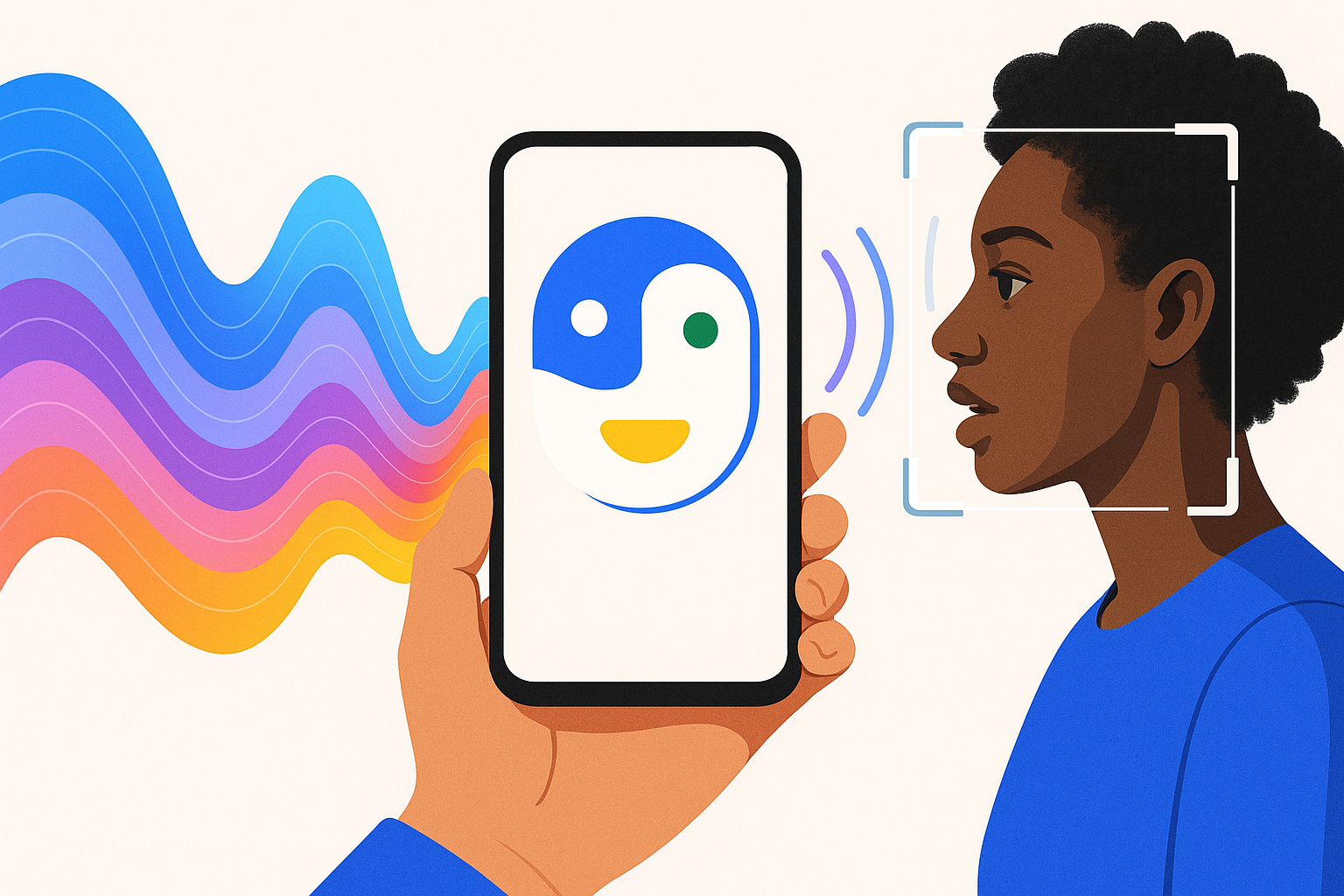
Real-time AI is hard in ways normal chat is not. Latency, interruptions, background noise, live tool use, and multimodal context all break the experience faster than raw model quality does. That is why Google's Gemini 3.1 Flash Live launch matters more than a typical version bump.
The release points at a market shift. More teams want agents that can speak, listen, watch, and act inside live environments instead of waiting inside a text box. When that becomes the product expectation, low-latency infrastructure starts to matter as much as the model itself.
- Live multimodal interaction is moving from demo category to platform category.
- Low latency, noise handling, and tool triggering matter more in voice agents than benchmark bragging rights.
- Google is trying to remove some of the infrastructure tax that normally blocks production voice and vision agents.
Why live agents are a different product class
An asynchronous chatbot can pause, think, and still feel usable. A voice or vision agent does not get that luxury. If response timing drifts, the interaction stops feeling intelligent and starts feeling broken. That makes latency and interruption handling first-order product requirements, not technical footnotes.
- Turn-taking speed shapes whether an agent feels natural or awkward
- Noise robustness determines whether it survives outside controlled demos
- Live tool use matters because the best voice agents need to do work, not just talk
Google is not just selling a model here. It is selling a more complete real-time interaction layer for builders who want voice-first products.
The practical developer angle
Most teams do not avoid voice agents because they hate the concept. They avoid them because the stack gets ugly fast. Streaming, transport, interruption logic, tool coordination, device support, and language coverage create a lot of surface area before product work even starts. Platform support that removes some of that glue can meaningfully lower the barrier to shipping.
- Faster iteration on support, assistant, and device interfaces
- Less custom orchestration for live multimodal sessions
- A more realistic path for startups that cannot build bespoke realtime infrastructure
What to watch next
The real test is not the launch post. It is whether the quality holds up in noisy, messy environments where users interrupt, change topics, and expect tools to fire correctly without delay. If it does, live multimodal APIs will stop being experimental and start becoming default building blocks for agent products.
This is one of the more blog-worthy launches because it changes what kinds of AI interfaces are practical to ship, not just which model is currently on top.
Gemini 3.1 Flash Live is important because it targets a product behavior shift, not just a model naming cycle.
If real-time quality proves durable in production, voice and vision agents will feel much less like special projects and much more like standard application features.
Ready to try it yourself?
Get started with the tools mentioned in this article. Most have free trials - no credit card required.
Browse Matching Tools ->