OpenAI Pushes Safety, Model Behavior, and Governance Into the Product Layer
Safety updates rarely drive headlines, but OpenAI's latest moves show governance and model behavior are becoming real product requirements for teams shipping AI.
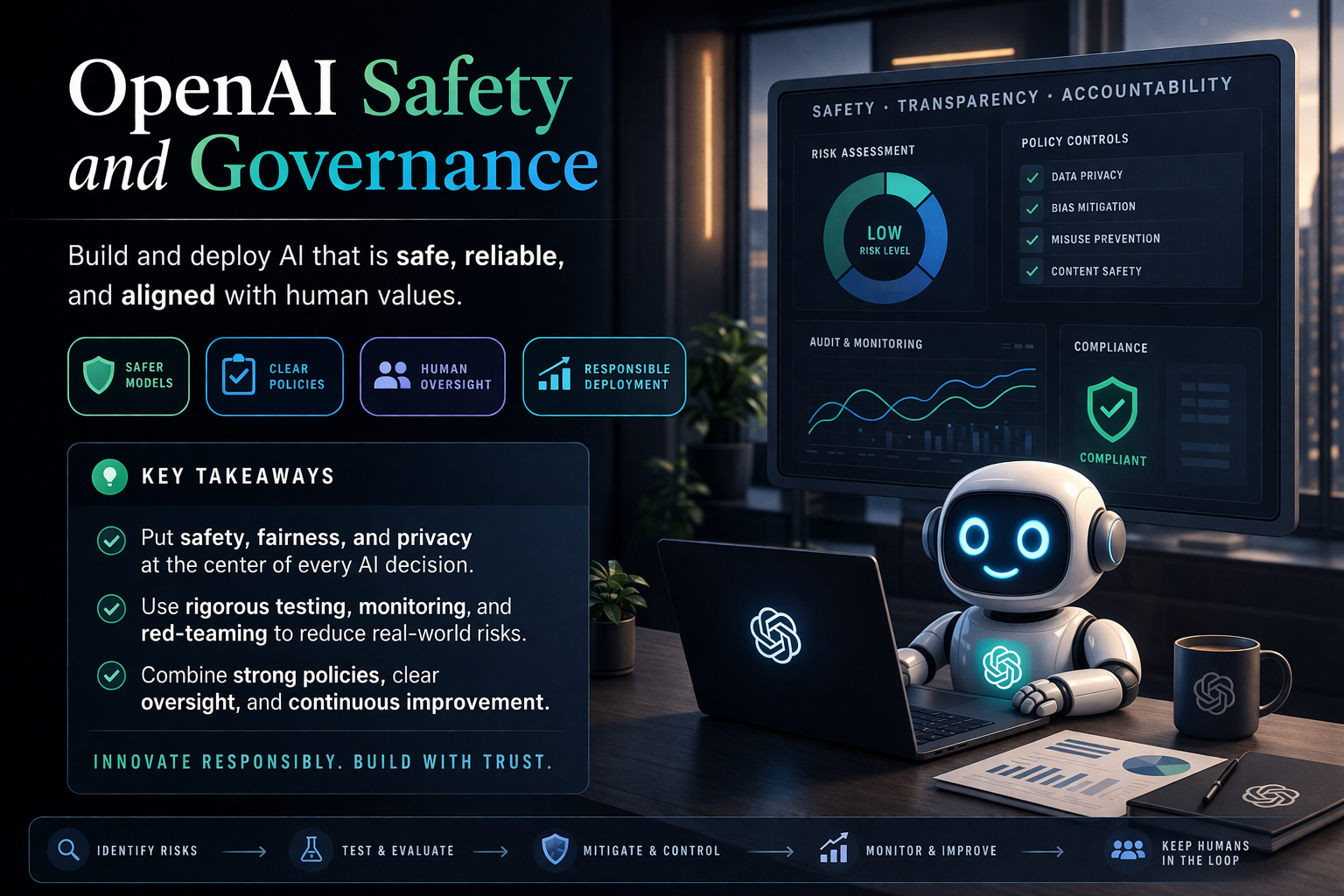
Model labs used to talk about safety as a parallel track to the product. That separation is getting harder to maintain now that models use tools, touch sensitive workflows, and operate with more autonomy inside normal software.
OpenAI's recent safety and governance updates are worth importing into the blog because they signal a practical shift: behavior controls, reporting mechanisms, and governance expectations are becoming part of the shipping surface developers need to understand.
- AI safety is becoming a product and operations concern, not just a research topic.
- Bug-bounty style reporting makes model failures easier for engineering teams to reason about.
- Developers should expect stronger behavioral contracts and more explicit governance controls from major labs.
Why this matters beyond policy teams
A product team may not care about policy language until a model starts drafting sensitive messages, taking actions through tools, or shaping customer decisions. At that point, behavior becomes part of product quality. The line between capability and governance collapses quickly when the model is inside a real workflow.
- Autonomous model behavior creates operational risk, not just reputational risk
- Safer defaults reduce the amount of application-side defensive glue teams need to write
- Clear escalation and reporting paths help normalize model failure handling
The bug bounty framing is the most interesting piece
Security teams already understand the value of external pressure testing. Translating parts of AI safety into a bug-bounty mindset makes the work more legible to the broader software industry. It suggests model failures should be surfaced, described, prioritized, and fixed with more of the rigor engineers already use for other systems.
The more model risk looks like engineering work instead of abstract philosophy, the easier it is for product teams to incorporate it into normal development practice.
What teams should do with the signal
This is not a reason to panic. It is a reason to design more deliberately. Teams building on frontier models should treat behavior review, escalation rules, monitoring, and audience-specific safety constraints as part of the implementation plan rather than cleanup work after launch.
- Document where model behavior can affect sensitive workflows
- Add review paths for high-risk outputs and tool actions
- Treat governance updates from model providers as product dependencies
OpenAI's safety and governance updates are blog-worthy because they influence how serious AI products get built, not just how labs describe themselves.
The developers who adapt fastest will treat behavior controls and governance signals as part of the product stack, not external compliance noise.
Ready to try it yourself?
Get started with the tools mentioned in this article. Most have free trials - no credit card required.
Browse Matching Tools ->